In the Garden of Art: A Study of Floral Creativity
Flowers have been a source of inspiration in the art world for centuries, symbolizing the transient nature of life while celebrating beauty and color. Their intricate forms, vibrant hues, and delicate movements captivate artists' imaginations, inviting them to explore themes of growth, decay, and renewal. Whether as a subject of still-life compositions or as a metaphorical element in more abstract works, flowers have a unique ability to evoke emotion and provoke thought. As we delve into this month's theme, we embrace the artistry that flowers inspire in our studios, fostering a deeper connection with nature's intricate designs.
Bloom Where You are Planted
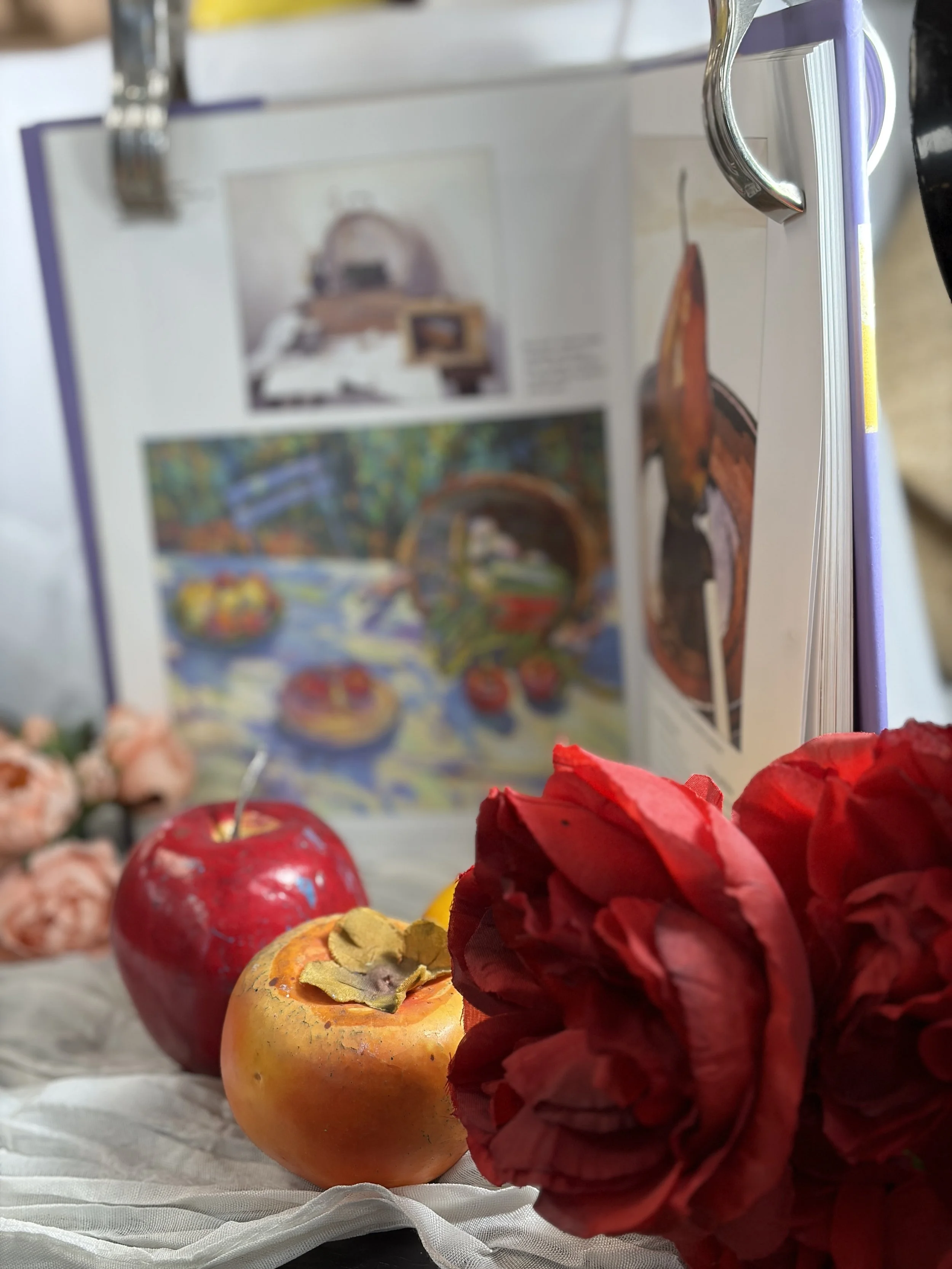
Flowers play an essential role in artistic expression, acting as visual metaphors for a wide array of human emotions and experiences. They can represent love, hope, inspiration, and even sorrow, bringing depth and meaning to various artistic styles. By observing and referencing flowers, artists refine their skills in capturing light, shadow, and detail, fostering a deeper appreciation for the natural world.
Furthermore, flowers often encourage artists to engage with their immediate surroundings, prompting them to explore local flora and ultimately create a personal, meaningful connection to their art. Through this exploration of flowers, artists not only cultivate their craft but also enhance their capacity for observation, reflection, and emotional expression.
Floral Masters: Floral Inspirations from History
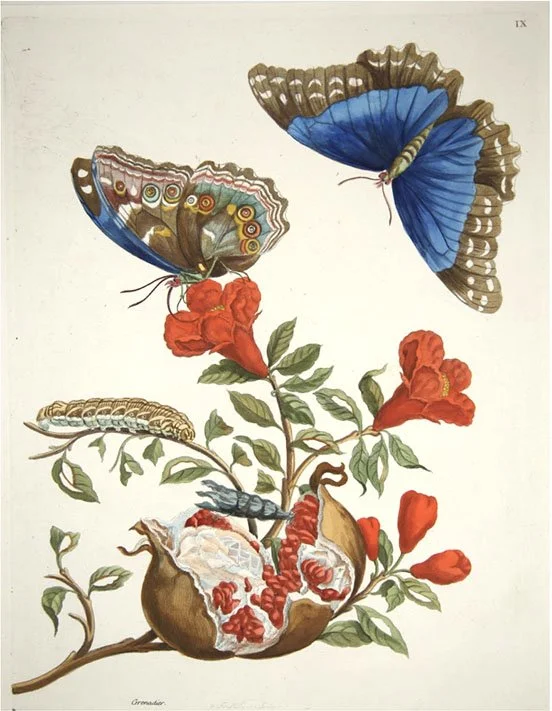
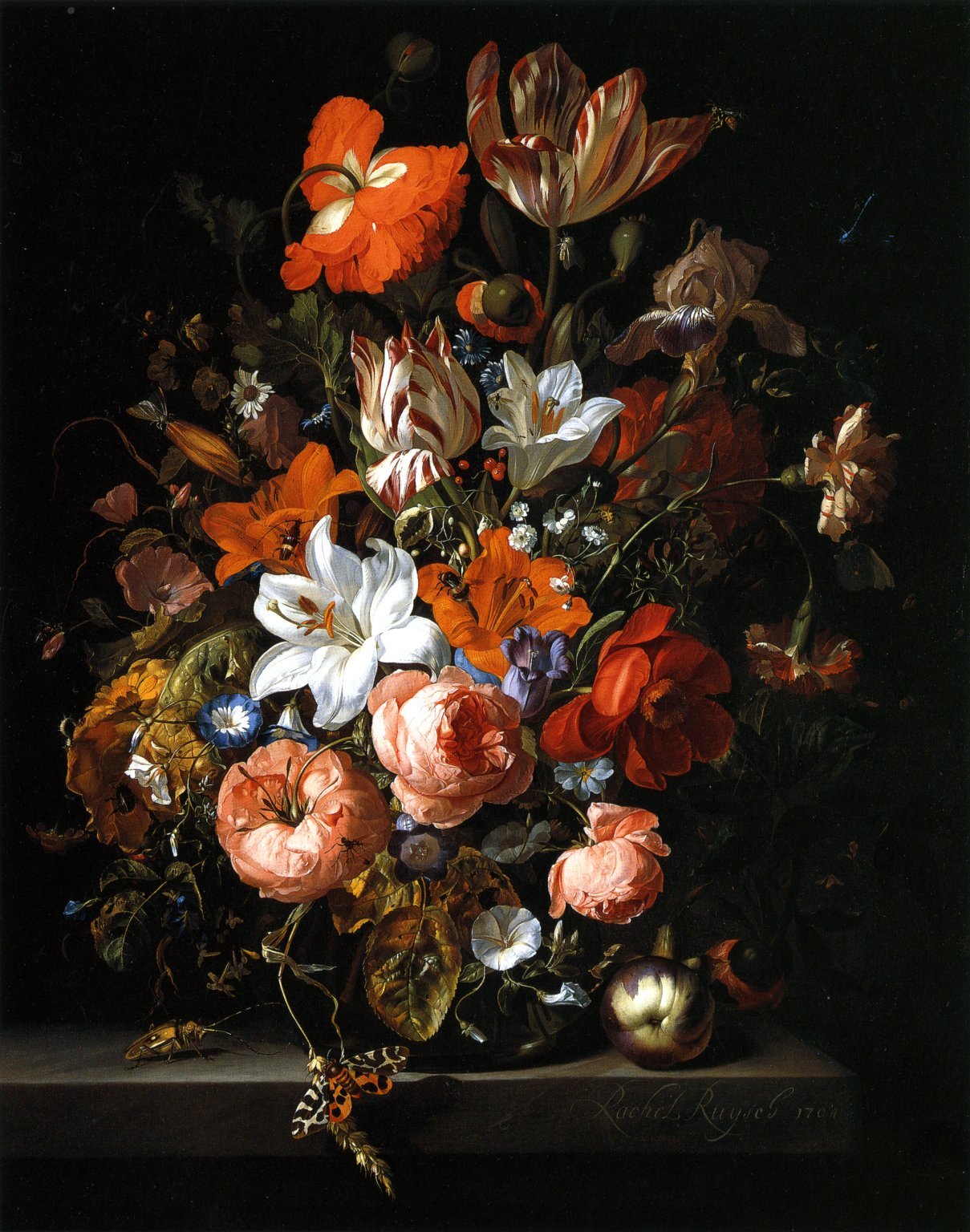
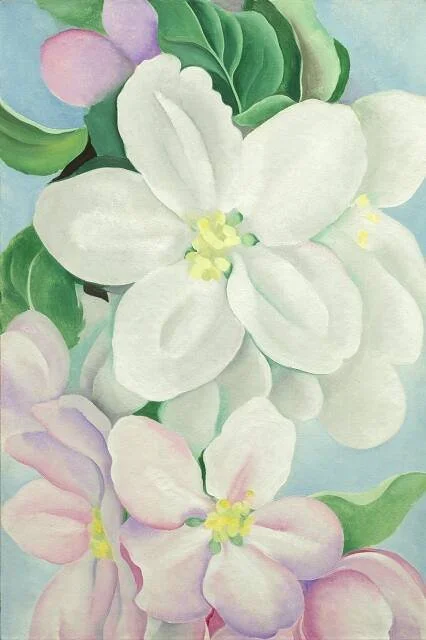
Flowers have profoundly influenced many artists throughout history, exemplified by Georgia O'Keeffe, Rachel Ruysch, and Maria Sibylla Merian. O'Keeffe is celebrated for transforming flowers into powerful symbols of femininity and strength through her large-scale paintings, inviting viewers to appreciate their intricate beauty. Ruysch, a master still-life painter of the 17th century, captivated audiences with lavish floral compositions, showcasing meticulous attention to detail that evokes the fleeting beauty of life. Meanwhile, Merian blended botanical illustration with entomology, emphasizing the interconnectedness of floral and insect life in her pioneering studies. Together, these artists illustrate how flowers serve as vital subjects that convey emotion, explore broader themes, and foster deeper connections with the natural world, inspiring ongoing artistic exploration.
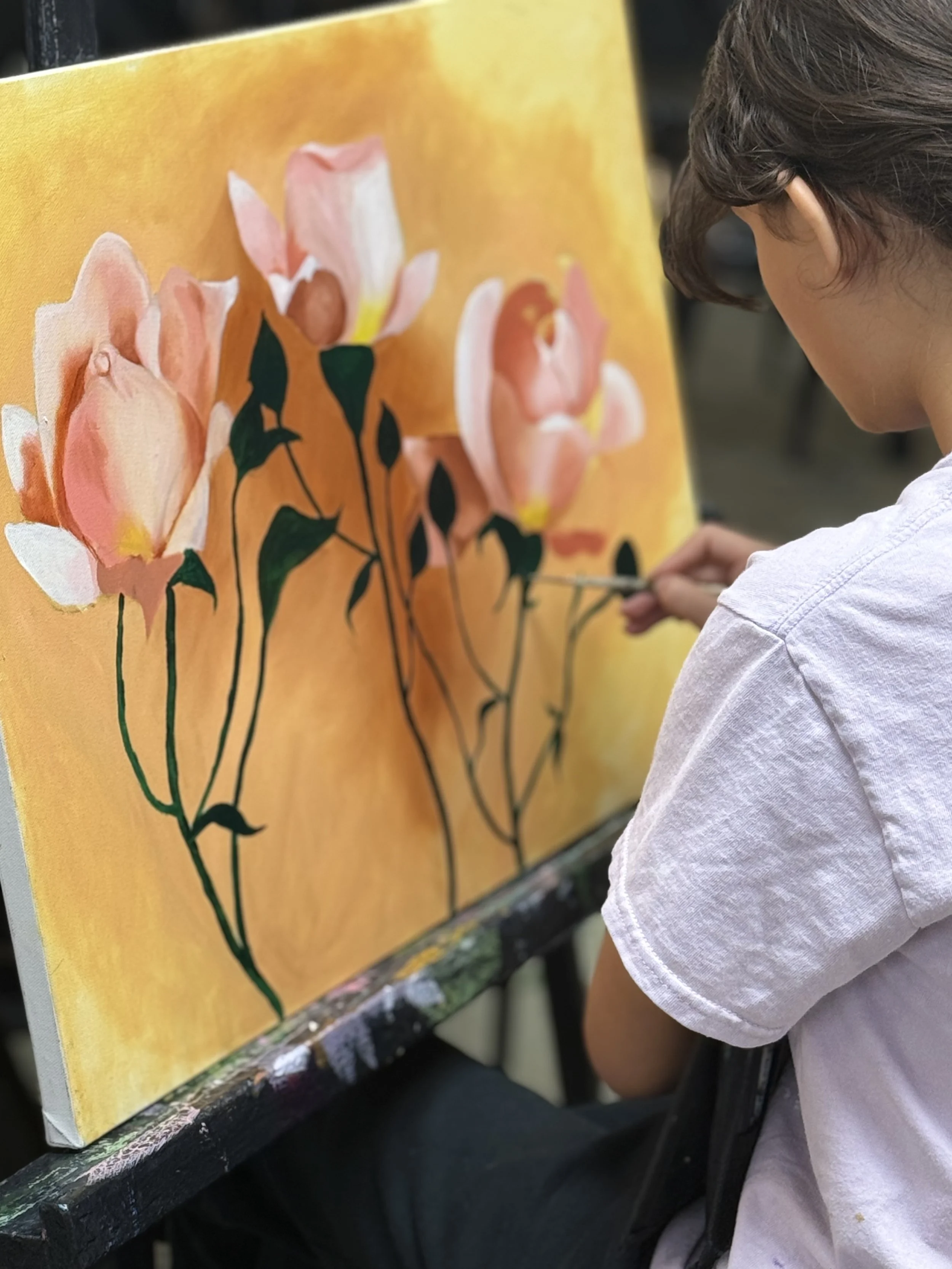
In the Studio
In our studio this month, students are eagerly engaging in the exploration of flowers through observation, drawing, and painting. Each student will have the opportunity to reference real-life flowers, observing their unique shapes and colors, and translating those details onto paper and canvas. Through guided exercises, they will learn to appreciate the subtle differences of floral composition and develop their artistic voice, embracing the beauty of nature as they create their own vibrant interpretations of flowers. As they immerse themselves in this theme, we look forward to the blossoming of their creativity and artistic skills.
