Still Life and Still Relevant: The Foundations of Art History
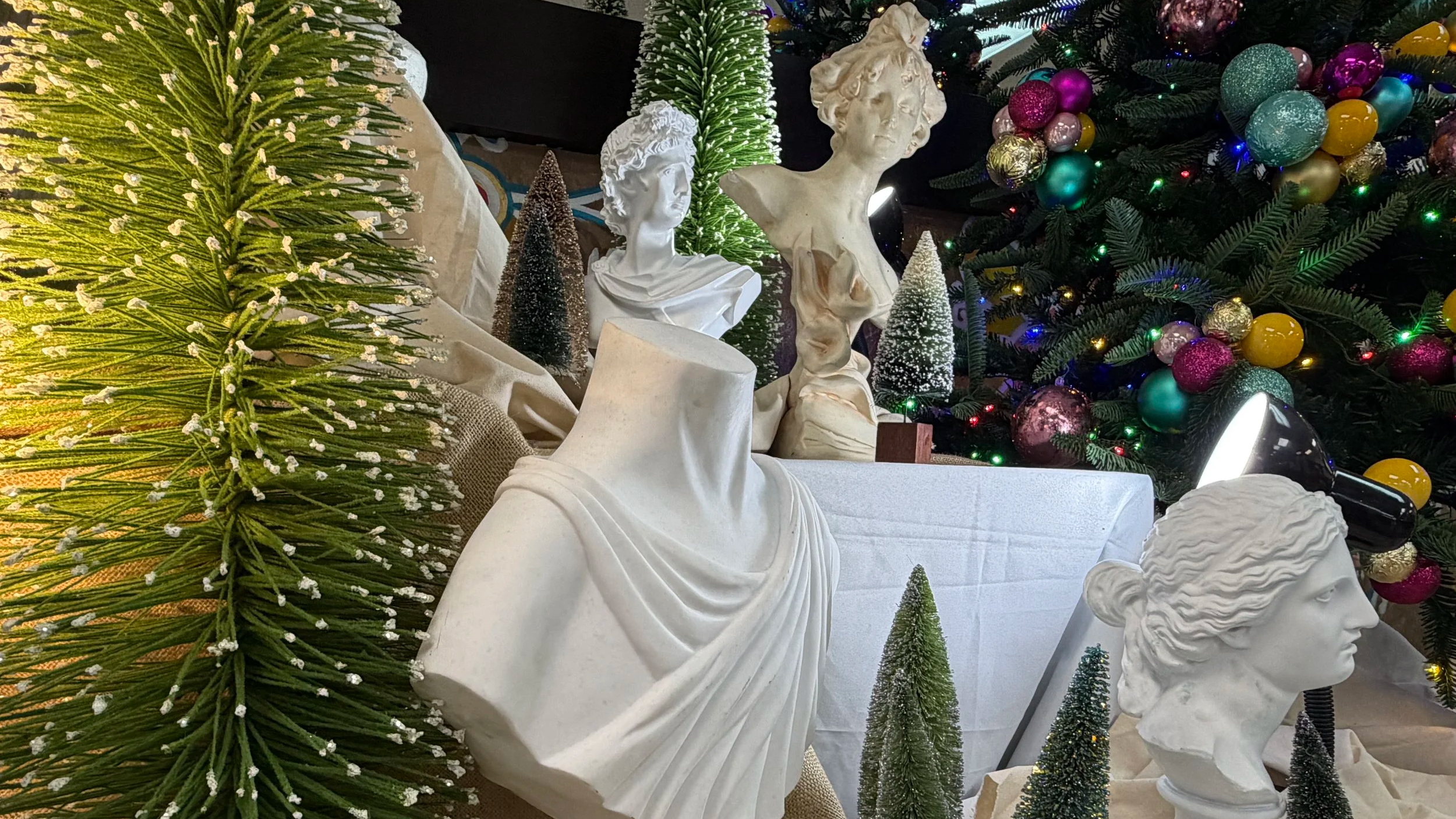
Still life painting, often perceived as a simple genre, plays a monumental role in the education of budding artists. By focusing on various elements such as visual balance, negative space, volume, and the interplay of shadows and highlights, still life compositions help develop foundational skills that are essential for mastering more complex forms of art.
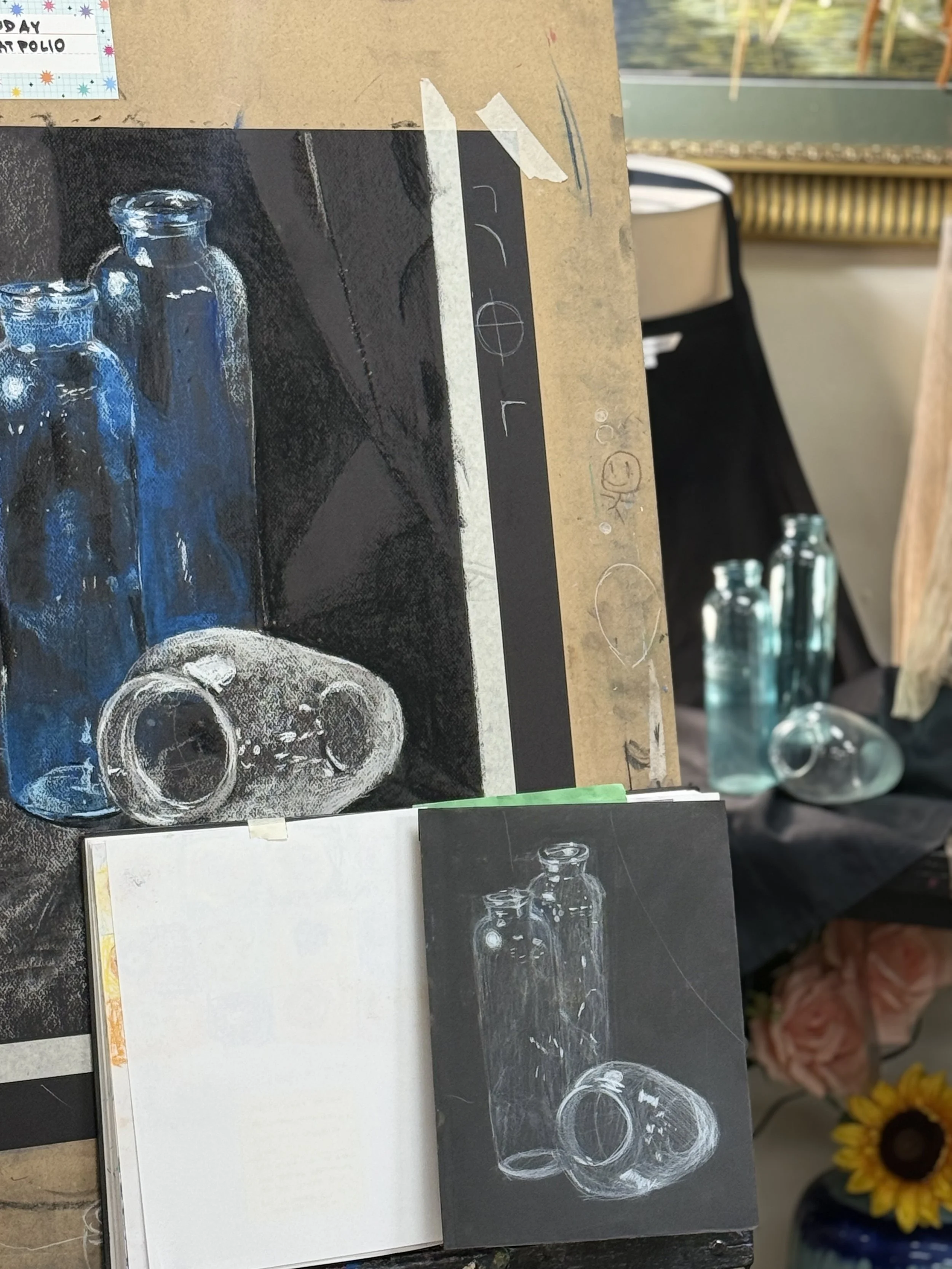
Magic of Composition
In still life, visual balance encourages artists to arrange objects in a way that feels harmonious and pleasing to the eye. Understanding this balance often goes hand-in-hand with mastering negative space, the area around and between subjects that helps shape the overall visual narrative.
The study of volume teaches artists how to represent three-dimensional objects on a flat surface, capturing the essence of physicality. Through careful manipulation of shadows and highlights, artists breathe life into their pieces, creating depth and inviting viewers into their carefully constructed worlds.
Together, these elements work in harmony, allowing artists to tell stories through everyday objects.
Mastery of the Mundane
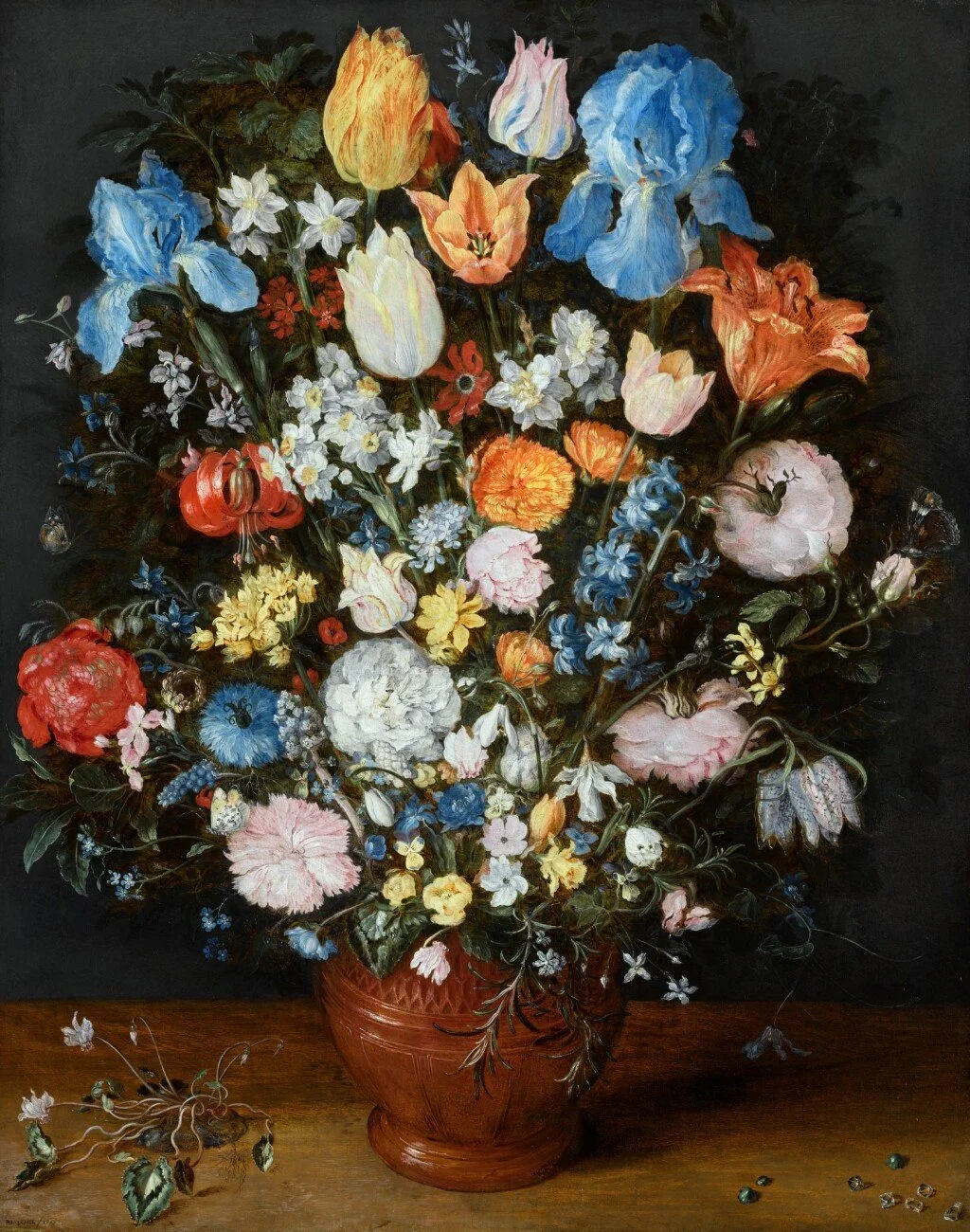
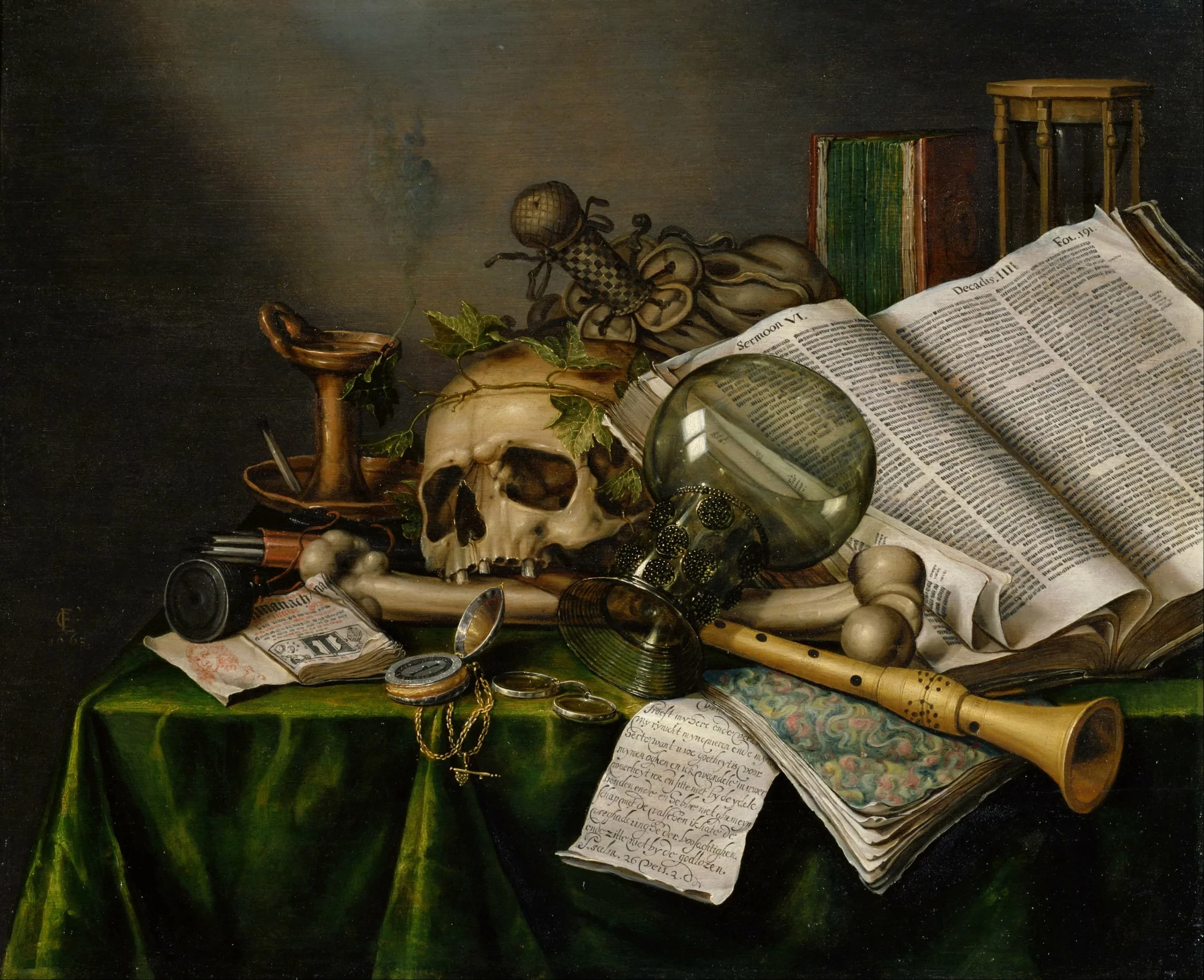
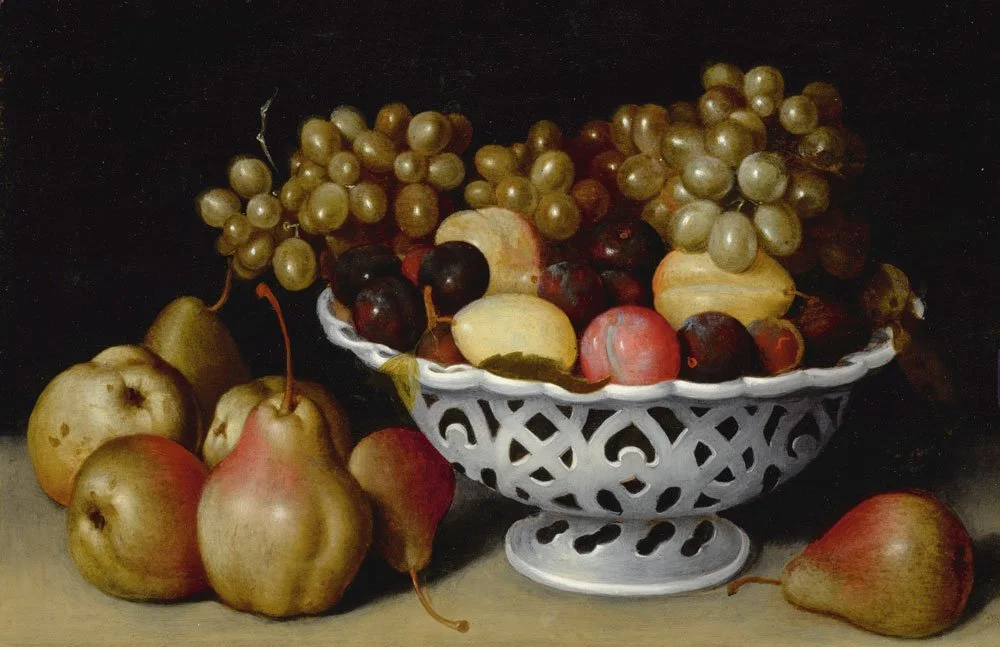
During the Renaissance, still life painting emerged as a vital genre that allowed artists to refine their skills and explore deeper meanings. Pioneers like Fede Galizia, Jan Brughel the Elder, and Jan van Eyck transformed everyday objects into significant narratives. Galizia’s meticulous arrangements of flowers and fruits highlighted beauty’s transient nature, while Brughel’s vibrant compositions celebrated abundance of the natural world. Through careful attention to detail and mastery of visual balance, these artists engaged viewers in their lush environments, turning simple arrangements into joyous explorations of life and nature.
In addition to their technical prowess, these artists used still life to convey complex themes. Van Eyck, renowned for his oil paintings, incorporated everyday items to provoke thought about life, mortality, and spirituality. The manipulation of light and shadow in his works added depth, inviting deeper reflection. Together, these Renaissance masters illustrated that still life is not merely about representation; it is a powerful medium that combines technical skill with narrative potential, proving that the ordinary can be extraordinary.
In the Studio
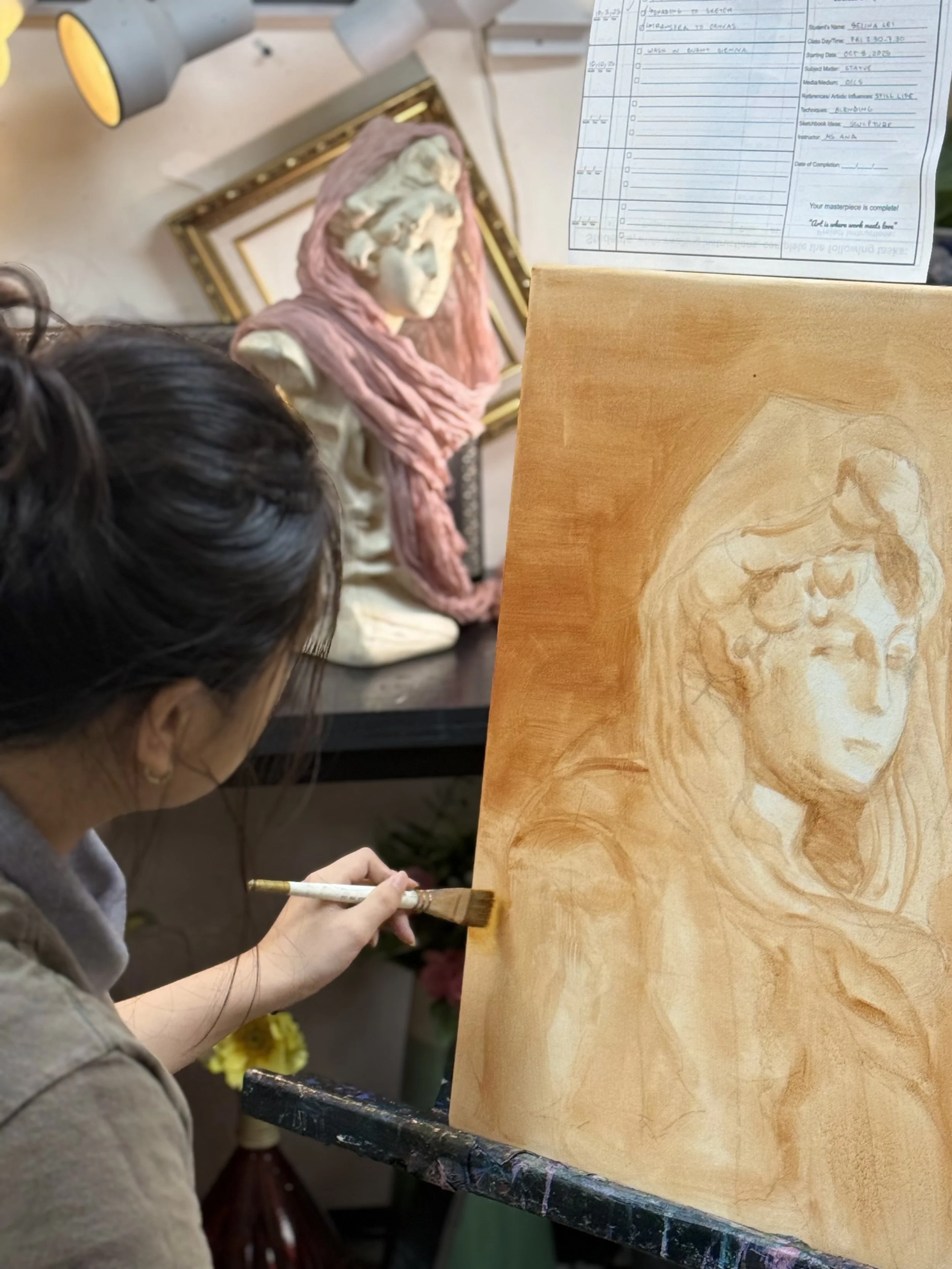
In the studio, students will immerse themselves in the art of still life, honing a variety of essential skills that contribute to their overall artistic development. One of the primary focuses will be observation skills, as they learn to recognize intricate details in objects, enhancing their understanding of shape, texture and form. This careful observation will help them develop spatial awareness, crucial for arranging objects in a balanced and harmonious composition. Students will also delve into composition techniques, learning how to create visually appealing arrangements that utilize principles like balance and the rule of thirds, along with the effective use of negative space to enhance their designs.
